The workshop organised by the International Trademark Association (INTA), in collaboration with the Spanish Patent and Trademark Office (OEPM), highlighted the strategic role of trade marks, patents and designs as drivers of investment, growth and competitiveness.
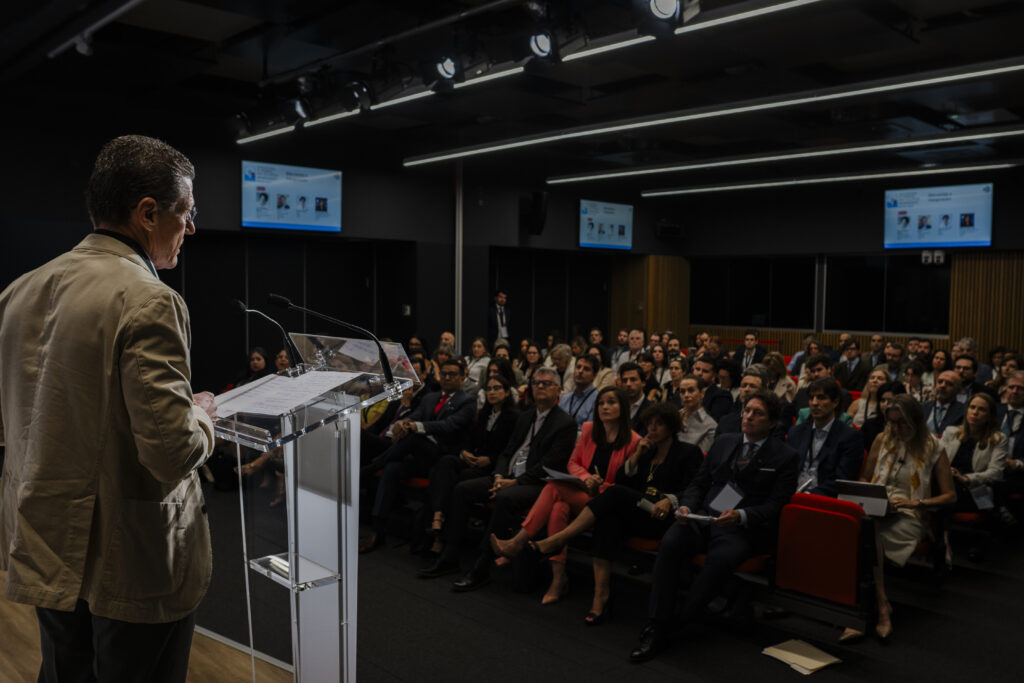
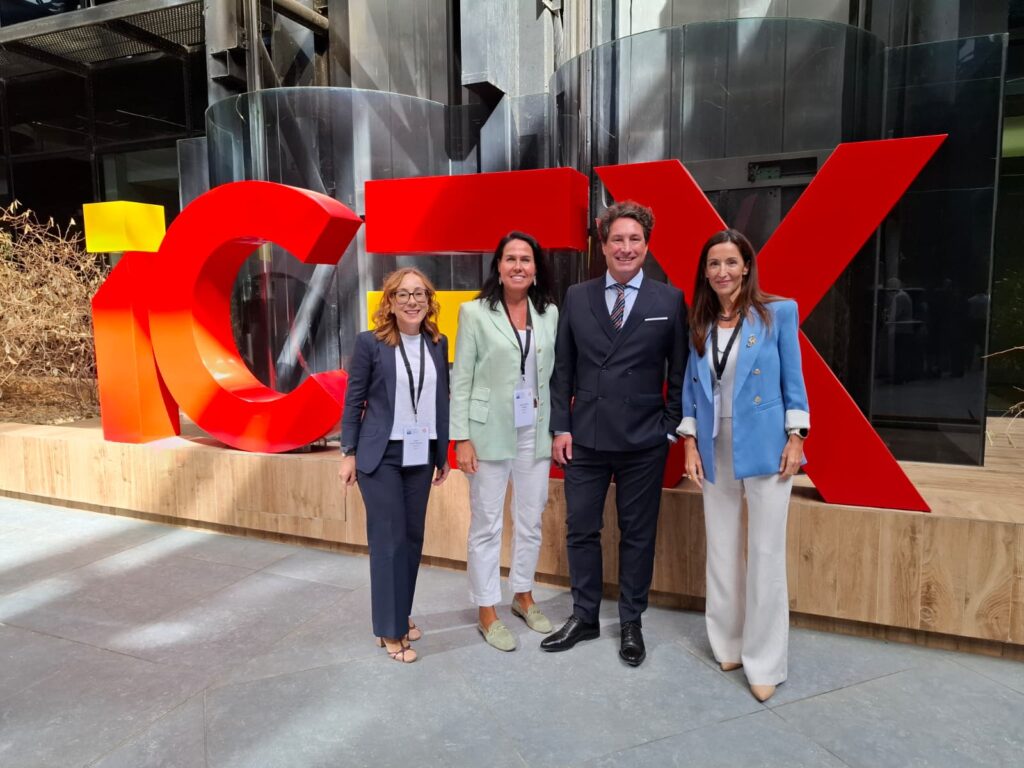
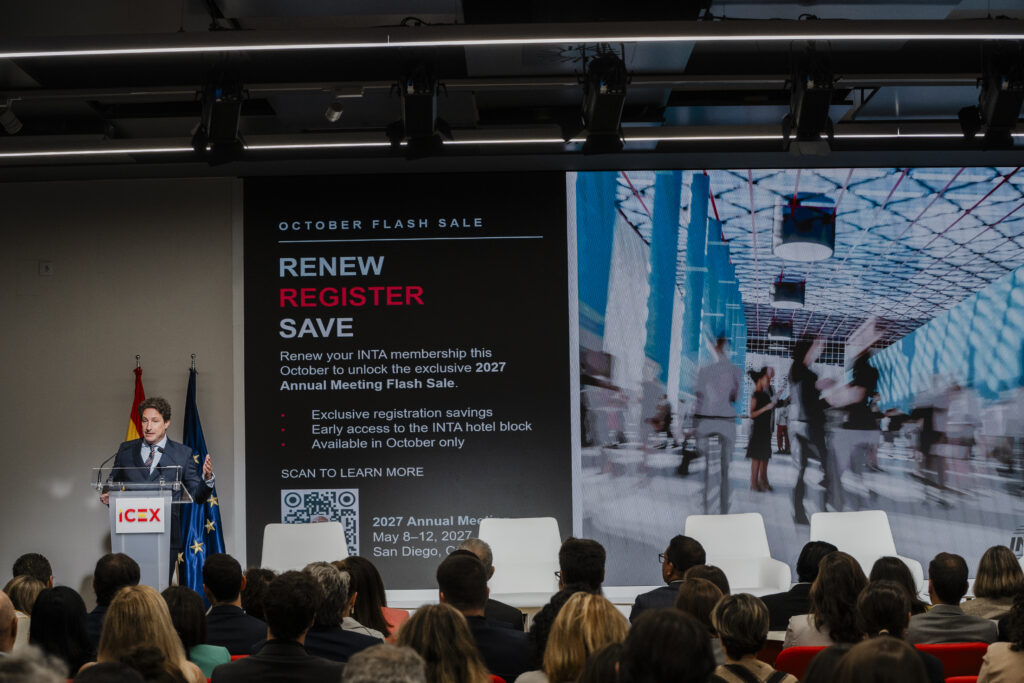
The growing importance of intangible assets in today’s business environment was at the heart of the “Madrid Workshop: Integrating Intellectual Property, Finance, and Valuation”, organised by INTA in collaboration with the OEPM at the headquarters of ICEX. The event brought together a distinguished group of institutional representatives, international organisations, intellectual property specialists, innovative companies, financial institutions and investors in the Spanish capital to examine how these assets contribute to corporate valuation and access to finance.
The economic significance of this discussion is clearly reflected in the latest joint study by the European Patent Office (EPO) and the European Union Intellectual Property Office (EUIPO). According to the report, intellectual property-intensive industries generated nearly 48% of the European Union’s GDP and accounted for more than 30% of employment. They also attracted €70.7 billion, representing over 88% of all European venture capital and private equity investment in start-ups, underscoring the close relationship between intangible assets, innovation and economic growth.
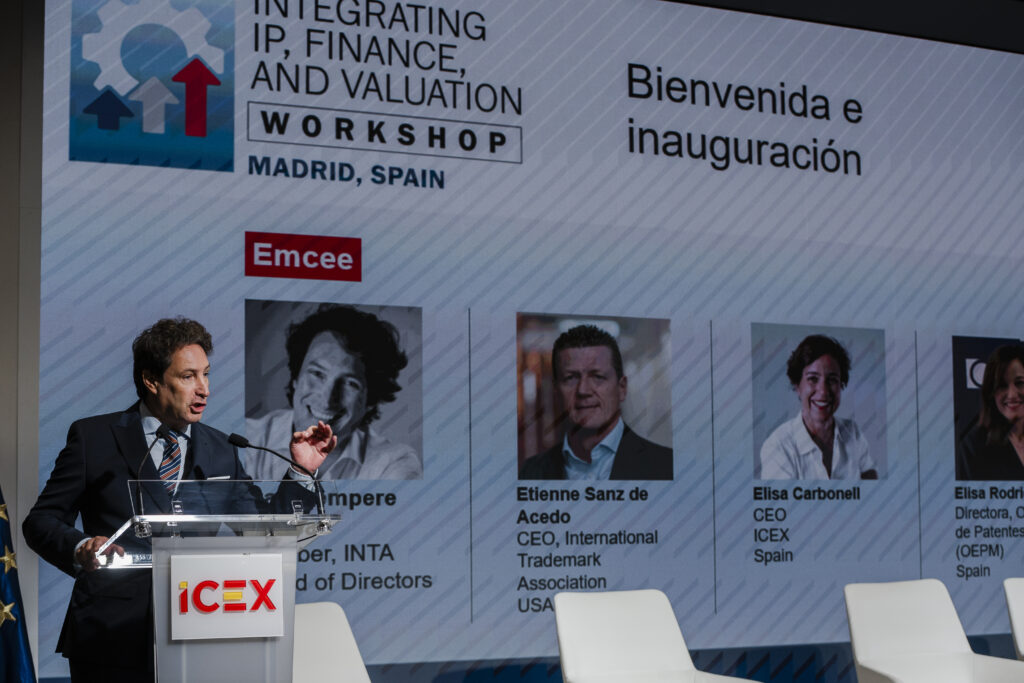
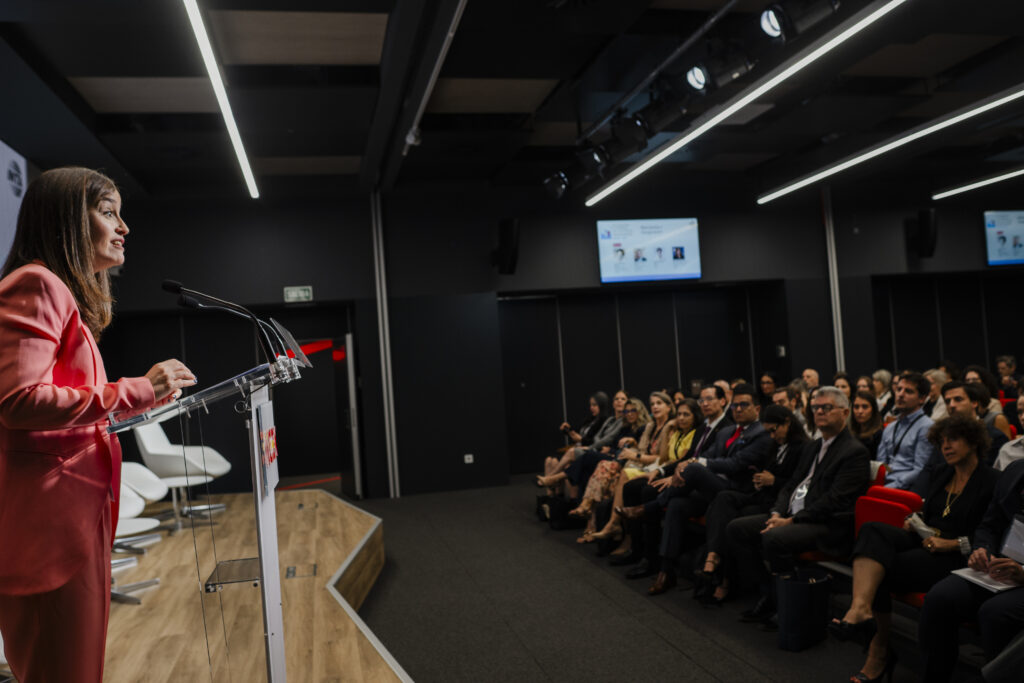
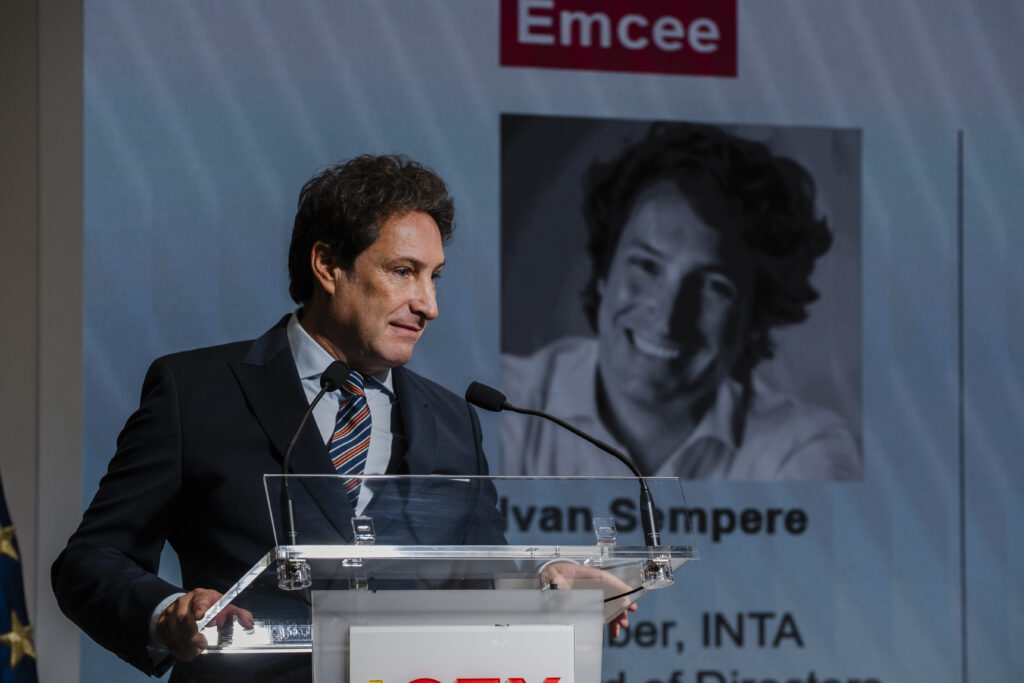
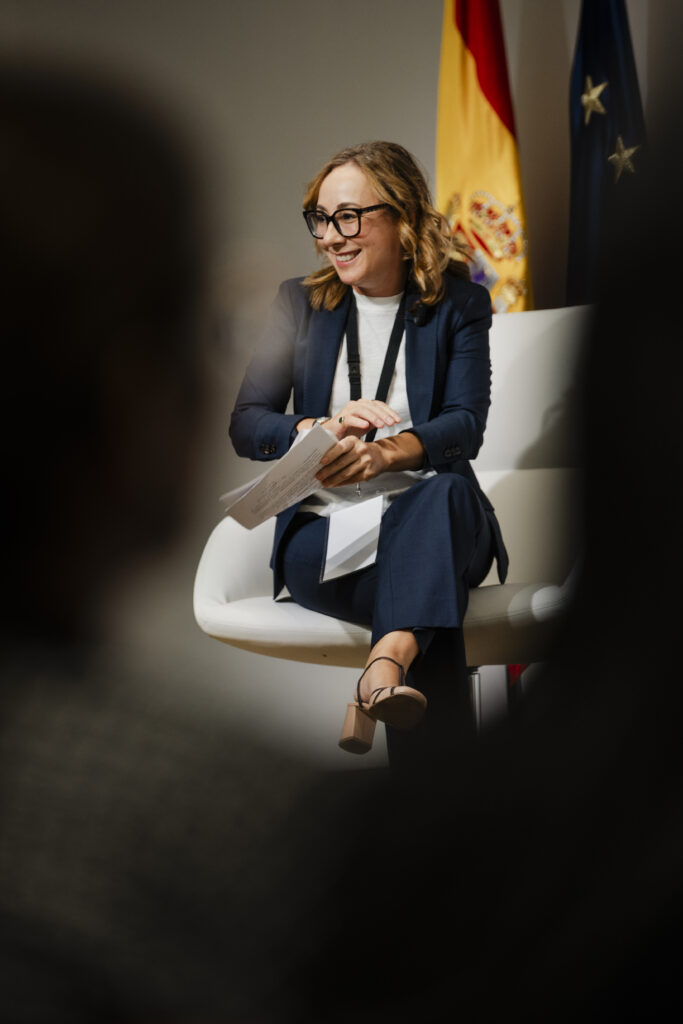
The opening session featured Etienne Sanz de Acedo, CEO of INTA; Elisa Carbonell, CEO of ICEX España Exportación e Inversiones; and Elisa Rodríguez Ortiz, Director of the OEPM. The event was moderated by Iván Sempere, Member of the INTA Board of Directors and Deputy General Manager of PONS IP, who stressed the need to strengthen the connection between innovation, business and finance. “The companies that are most successful in transforming innovation into growth are those that can identify, protect, value and strategically communicate their intangible assets. Intellectual property is no longer merely a legal protection mechanism; it has become a tool for competitiveness, differentiation and access to finance. It is no longer just about protecting what we create, but about leveraging the value of what we create to fund our growth. In that process, intellectual property becomes the answer,” he stated.
Sempere also noted that the global value of corporate intangible assets exceeded US$97 trillion in 2025, reflecting the increasing importance of assets such as trade marks, patents and designs within the global economy.
This trend is particularly significant in Spain. According to the latest EUIPO figures, Spain ranks third among European Union Member States in terms of the cumulative number of European Union Trade Mark (EUTM) applications, with more than 225,000 applications filed, behind only Germany and Italy. This position reinforces Spain’s standing as one of Europe’s leading ecosystems for the protection, valuation and internationalisation of brands.
Throughout the day, experts from organisations including the EPO, the Instituto de Crédito Oficial (ICO), ICEX, Santander Group, Repsol, Hawkers and Grupo Pikolinos explored the evolution of trade marks, patents and designs from a strategic perspective, highlighting their capacity to foster innovation, facilitate access to capital and strengthen business competitiveness.
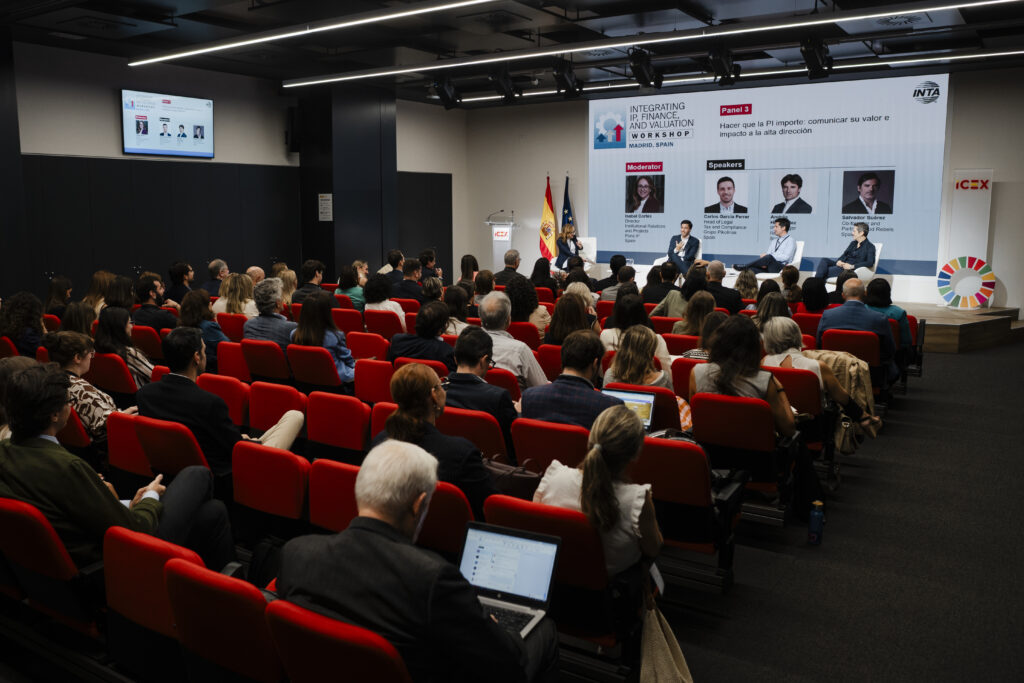
One of the workshop’s most prominent sessions was the panel discussion “Making IP Matter: Communicating Value and Impact to the C-Suite”, moderated by Isabel Cortés, Head of Institutional Projects and Relations at PONS IP. The panel brought together Carlos García Ferrer, Head of Legal, Tax and Compliance at Grupo Pikolinos; Andrés Hernández, IP Manager at Repsol; and Salvador Suárez, Co-Founder and Partner at Good Rebels.
During the discussion, participants examined how to translate the value of intangible assets into the language of business and executive leadership, addressing the role of trade marks, designs and patents as levers for differentiation, growth and value creation. They also reflected on the need to integrate intellectual property into corporate strategy and to communicate its impact effectively to boards of directors, investors and the wider market. The session further explored issues such as measuring the return on investment associated with these assets, the protection and monetisation of trade marks and designs, the role of business leaders as ambassadors of innovation, and the growing importance of effective communication in transforming intangible assets into tangible competitive advantages.
The event concluded with a shared consensus among institutions, businesses, investors and industry professionals: the effective identification, protection, valuation and communication of intangible assets has become a decisive factor in strengthening competitiveness, facilitating access to finance and transforming innovation into sustainable economic growth. This message marked the close of a gathering that further established Madrid as a leading forum for dialogue at the intersection of intellectual property, business and investment.