

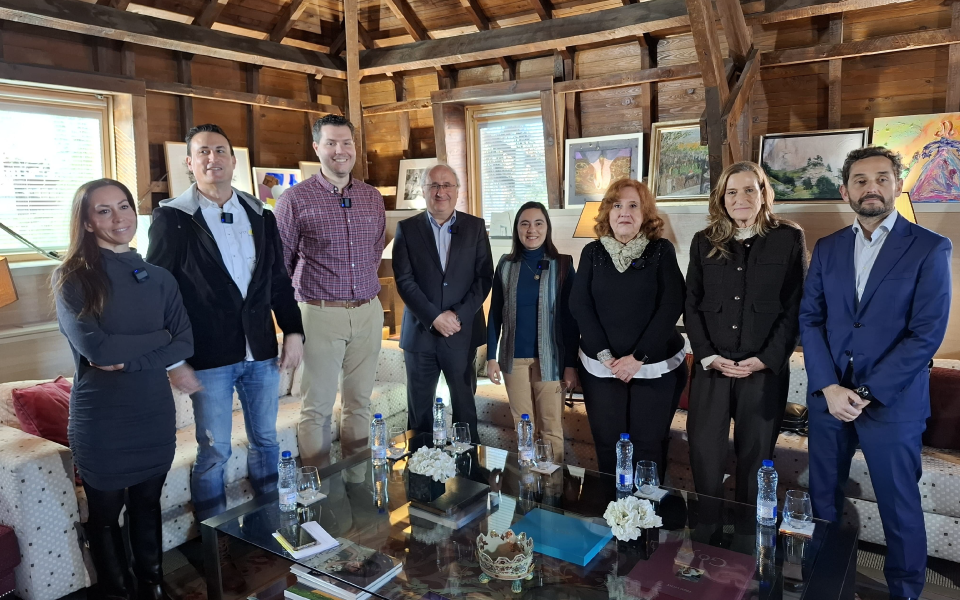
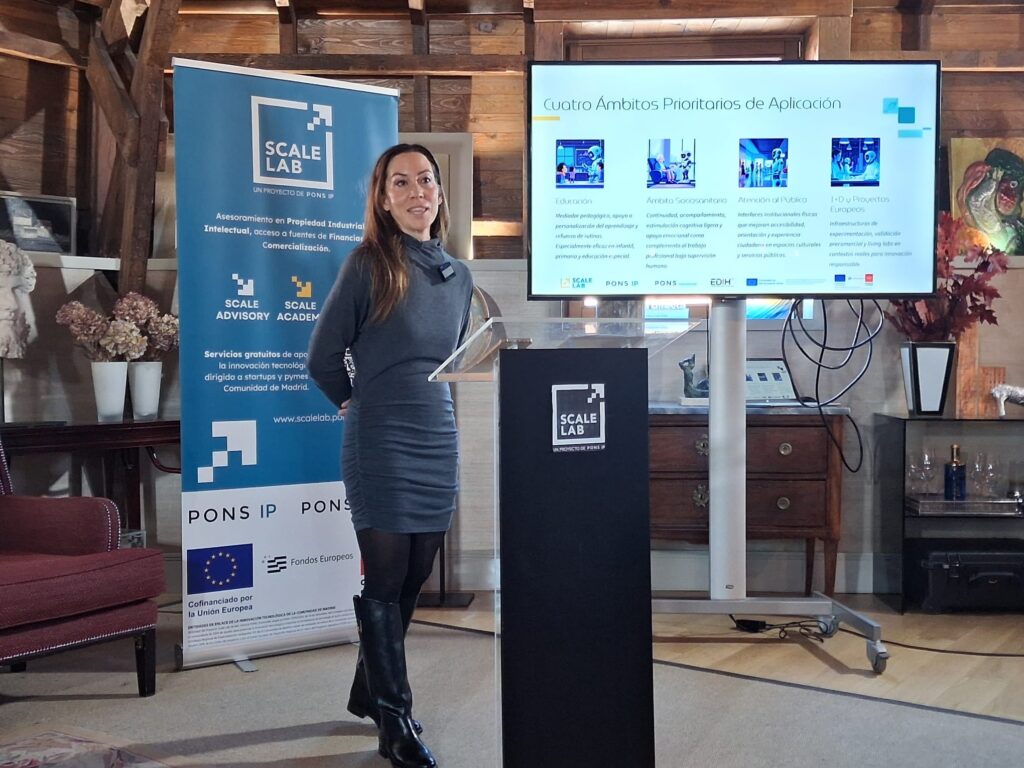
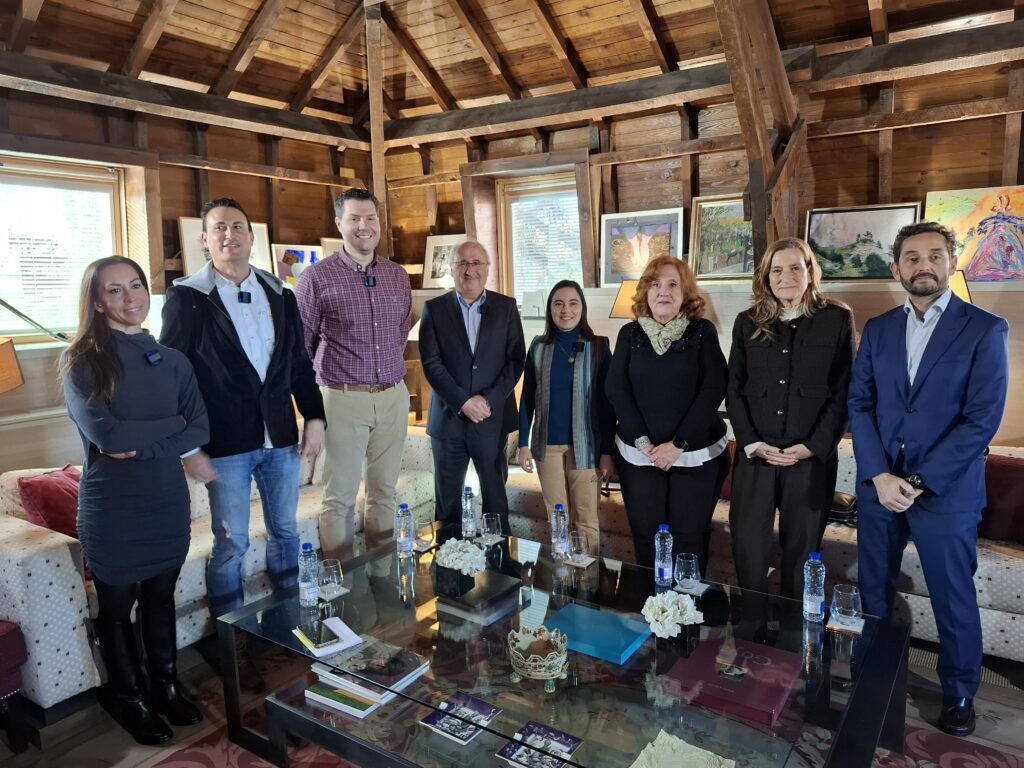
PONS IP, within the framework of the Scale Lab project and in collaboration with EDIH Madrid Region 2.0, presented the new ‘Catalogue of Technological Offerings in Useful Robotics, Social Robotics and Artificial Intelligence’ at the Fundación PONS headquarters. In doing so, it also confirmed that industrial property activity in social robotics has registered more than 675 patent family applications between 2021 and 2025, which according to the report is the largest growth in the sector in two decades.
According to the analysis, presented by Isabel Marco, Head of Innovation Projects at PONS IP, the robotics sector has shown sustained growth in new patent applications and grants, thus demonstrating the technical maturity of social robotics and its orientation towards real deployments with 330 patent grants in the last five years.
Nearly three out of four patents in robotics and AI come from China
According to data from the Catalogue of Technological Offerings in Useful Robotics, Social Robotics and Artificial Intelligence,Europe has strengthened its position as a hub specialising in educational, healthcare and cultural applications. Asia, however, continues to lead the sector by a wide margin in terms of absolute volume of R&D&I investment as well as patent applications and grants. Thus, the international analysis of the Catalogue identifies China (72%), South Korea (11%), United States (6%) and Japan (4%) as the most active countries in terms of innovation in social robotics and artificial intelligence, these four countries having most of the new patents registered in recent years. Europe, despite having a smaller volume, stands out for its strong specialisation in education, healthcare and public service applications, aligned with its own regulatory frameworks and ethical principles.
The technological disruption described in the catalogue currently has a direct impact on sectors as diverse as education, health and social healthcare, customer service, culture, mobility and digital services. In these sectors, useful robotics and AI allow for improved accessibility, support, guidance, routine management, efficiency and quality of service, opening up new possibilities for institutional adoption. The analysis also reflects a global ecosystem without hegemonic concentration, which according to the report favours “the entry of new players and technology transfer”.
Isabel Marco, Head of Innovation Projects at PONS IP and author of the report, noted that social robotics and artificial intelligence “have entered a phase of maturity in which strategic management of intellectual property will be key to transferring, scaling and cooperating.Protecting well not only generates economic value, but also ensures that the technology can be shared and remain over time with legal certainty and social legitimacy”, remarked the Head of the consulting firm.
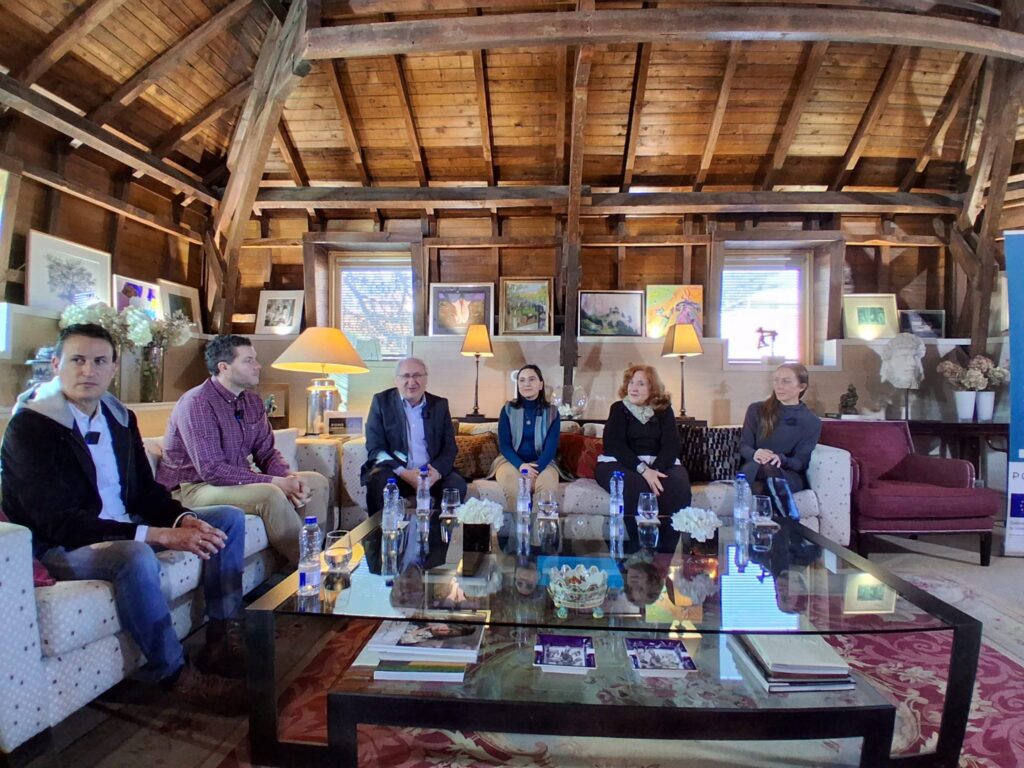
The event ended with a technical analysis of the opportunities and challenges of governance in the implementation of social robotics and applied AI and its impact on the economy, moderated by Luis Ignacio Vicente, Strategic Advisor at PONS IP with the participation of Ángela Ribeiro, Research Professor at CSIC; José Carlos Pulido Pascual, CEO of Inrobics; Marie André Destarac, member of the Royal Academy of Engineering; and Rubén Martínez García, Director General of Fundación ASTI.
Translated with DeepL.com (free version)


